As procurement teams explore AI-powered decision-making, questions arise about transparency. They also involve supplier data protection, human accountability, and ongoing AI-system monitoring.
During a panel on AI governance in procurement, industry leaders addressed these challenges with practical examples. They also used audience questions to illustrate why responsible AI adoption needs more than new technology.
How Much Transparency Does AI Need?
One audience question asked whether procurement teams need complete transparency before trusting an AI recommendation and whether every decision must be explainable.
One panelist explained:
“I think it’s all very much linked to the impact that that recommendation or decision is going to have.”
Another contribution emphasised the importance of checking AI-generated information and understanding its sources:
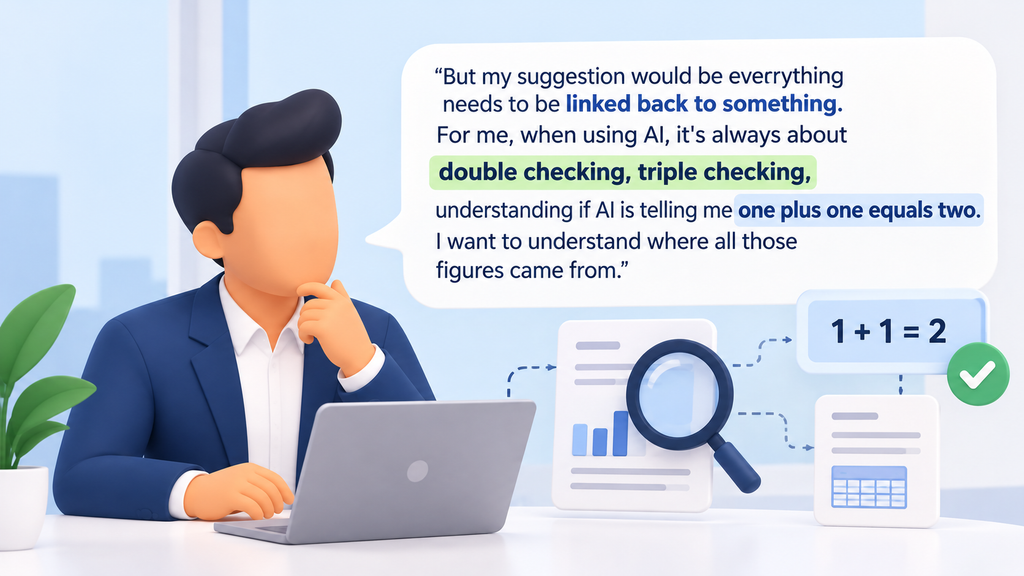
“But my suggestion would be everything needs to be linked back to something. For me, when using AI, it’s always about double checking, triple checking, understanding if AI is telling me one plus one equals two. I want to understand where all those figures came from.”
The discussion also highlighted the importance of trusting the underlying data. For procurement teams, confidence in an AI recommendation depends not only on the output but also on understanding where the information originated.
Protecting Supplier Data and Commercial Information
The panel was asked what safeguards should be non-negotiable when an AI agent has access to supplier data, contracts, pricing and internal spend information.
One panelist cautioned against giving AI unrestricted access to sensitive pricing information, explaining that supplier relationships and historical agreements can make pricing difficult to benchmark.
“At least you can give an average or trending in the pricing but if you give really full access to pricing it’s really individual company to supplier.”
The discussion then turned to data protection and legal safeguards. The panel highlighted the importance of understanding where information is stored, how it is discarded and whether it could be exposed through the way an AI system learns.
As one contribution put it:
“You need to be able to have all those legal requirements and conversations had before you give those kind of accesses.”
The central concern was that organisations should understand the implications of granting access before allowing AI systems to act on sensitive procurement information.
Human Oversight Must Remain Meaningful
Another audience question challenged the idea of human oversight when people approve AI recommendations 95% of the time.
One panelist explained that human involvement would remain important, although its position in the process could change depending on the complexity of the work.
The discussion also raised the risk of AI systems gradually moving away from their intended behaviour if nobody provides guidance or checks their decisions.
“So for me, there’s always going to be someone that’s going to be responsible for checking, but also accountable for whatever he is doing.”
A separate contribution connected this principle to supplier selection. The panelist explained that the lowest price is not always the best choice: a higher price may be justified by a shorter delivery lead time and the ability to meet customer obligations.
The broader point was that procurement professionals need to understand the reasoning and evidence behind AI recommendations rather than accepting them automatically.
How Frequently Should AI Systems Be Audited?
The final audience question focused on auditing AI procurement systems after they enter production.
One panelist suggested that the frequency should depend on the system’s purpose and its impact on business decisions:
“If it’s really impacting your strategic decisions, I think you need to be each decision, you need to go back if you answered the right question with the right data and whatever.”
For more operational applications, the panelist suggested quarterly checks or reviews triggered by failures and unusual behaviour.
Another contribution emphasised that AI systems should be continuously improved and audited. Each iteration provides an opportunity to assess whether the system is working as intended and make adjustments where necessary.
The discussion also highlighted a risk-based approach: systems producing outputs with greater business impact should receive more frequent assurance. Ongoing operational monitoring matters too, including examining how many decisions are made, how many are rejected and why.
The Takeaway: Trust Requires Continuous Accountability
In his closing remarks, panelist Martin Koch acknowledged that he was not an IT specialist, but reinforced the importance of keeping AI systems under review.
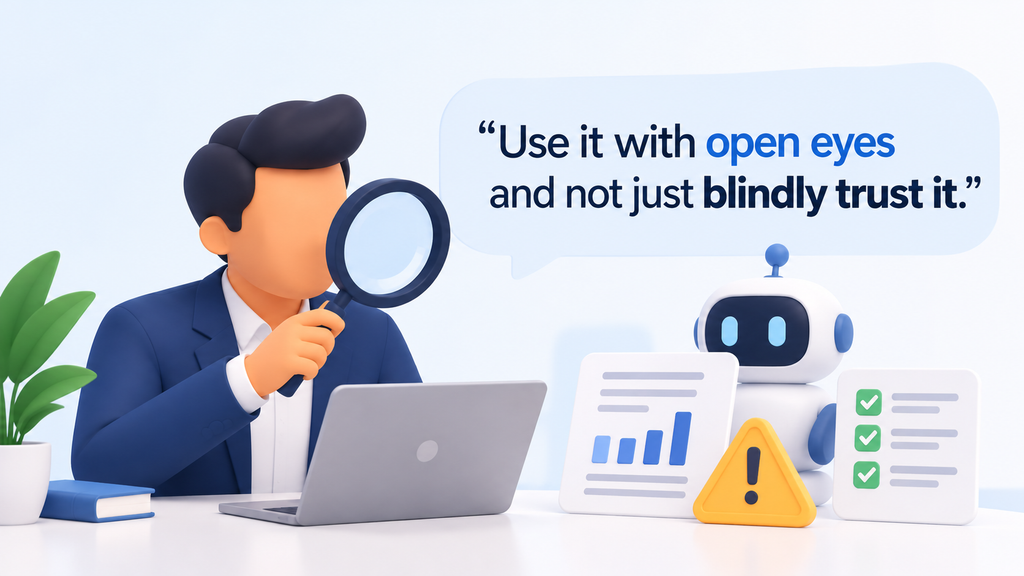
“Use it with open eyes and not just blindly trust it.”
He also emphasised the need for a regular cycle of checking the software, confirming that it remains correctly configured and ensuring its connections are still valid.
The discussion made one point clear: responsible AI in procurement is not a one-time implementation exercise. It requires appropriate access controls, meaningful human oversight, evidence-based decisions and continuous auditing.
As AI becomes more integrated into procurement operations, organisations must ensure that efficiency does not come at the expense of supplier relationships, sound judgement or accountability.
Explore the Full Discussion and Event Highlights
Continue exploring the conversation and insights from the AI Governance in Procurement discussion:
- Watch the full discussion on YouTube: https://www.youtube.com/watch?v=Le8zNMrt_C4
- Read the LinkedIn event report: https://lnkd.in/p/dhsQtkQW
- Explore the event page: https://techsommet.com/ai-powered-procurement-pd/
Stay Ahead with Upcoming TechSommet Events
AI and procurement continue to evolve. Discover upcoming events, expert discussions and opportunities to connect with industry leaders.
Explore upcoming events: https://techsommet.com/